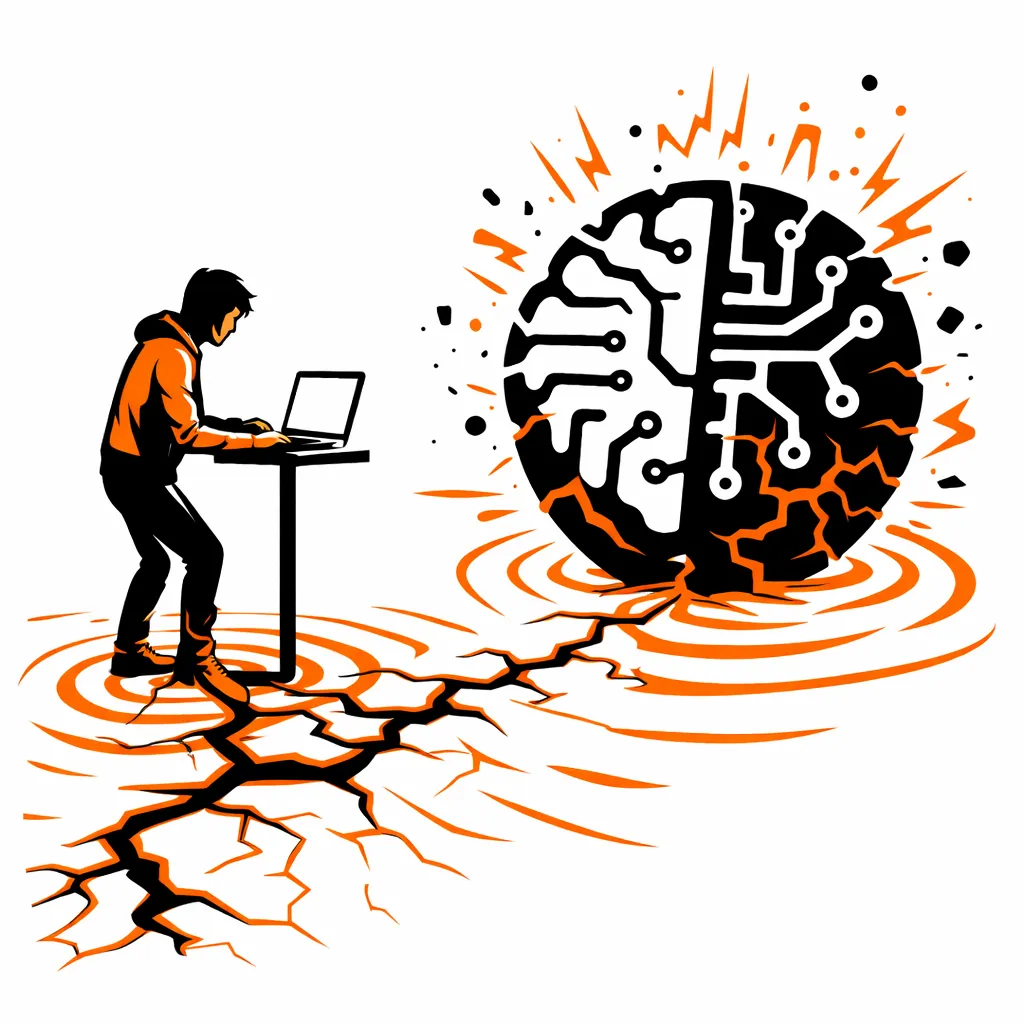
AI Models Are Commodities Now. Here's Why That's Great News for Your Agency.
A Developer With a Side Project Just Shook the AI Industry
Last week, Jensen Huang stood on the GTC stage and spent a chunk of his keynote talking about OpenClaw. Six months ago, OpenClaw didn't exist. An independent developer built it. Now it's reshaping how the entire industry thinks about AI models.
Here's the short version: OpenClaw lets you run AI agents on personal hardware. A Mac Mini. No cloud bills. No API costs spiraling out of control. Developers are flocking to it because cheaper Chinese models are "good enough" for most tasks, and OpenClaw makes running them locally dead simple.
CNBC ran a headline this week that captures the mood: "OpenClaw's ChatGPT moment sparks concern that AI models are becoming commodities."
If you run an AI agency, that headline probably made your stomach drop. It shouldn't have.
The Model Was Never Your Moat
I've talked to dozens of agency owners over the past year. The ones struggling all have the same problem. They built their pitch around access to a specific model. "We use GPT-5" or "We're an Anthropic partner." That's not a business. That's a reseller badge.
When models commoditize, and they are commoditizing fast, the reseller pitch collapses. OpenAI crossed $25 billion in annualized revenue. Anthropic is closing in on $19 billion. But both companies know the margin pressure is coming. That's why Anthropic just partnered with Infosys to push into regulated industries, and why Nvidia is packaging free security tools to accelerate OpenClaw adoption.
The model layer is becoming infrastructure. Like electricity. You don't sell electricity. You sell what you build with it.
What Actually Matters Now
The agencies I see winning right now aren't selling model access. They're selling three things.
Implementation expertise. Knowing which model to use for which task. Knowing when a $0.25-per-million-token model (like Google's new Gemini 3.1 Flash-Lite) gets the job done, and when you need something heavier. That judgment call is worth real money.
Workflow design. OpenAI's GPT-5.4 can browse websites, fill forms, and manipulate documents autonomously now. Cool. But someone still has to figure out which workflows to automate, how to chain agents together, and how to handle the edge cases that break everything. That's consulting work, not model work.
Trust in regulated spaces. The Infosys-Anthropic partnership exists because hospitals, banks, and insurance companies can't just plug in an AI model and hope for the best. They need compliance, audit trails, and someone who understands their industry. If you can be that someone, commoditization actually helps you. Your costs go down while your value stays the same.
The Playbook Shift
Stop benchmarking models. Start benchmarking outcomes.
A client doesn't care if you used Claude or GPT or a local model running on OpenClaw. They care that their customer support queue dropped 40%. They care that their sales team gets briefing docs before every call without lifting a finger.
I've been running AI automations for businesses in Austin for a while now. The conversations that close deals never start with "we use the best model." They start with "here's what changed for a business like yours."
Commoditization means your input costs are falling. If your pricing reflects the value you deliver, not the cost of your API calls, your margins just got better. That's not a crisis. That's a tailwind.
One Thing to Do This Week
Audit your pitch deck. If the word "model" appears more than twice, rewrite it. Replace model talk with outcome talk. Specific numbers. Specific workflows. Specific results from clients you've already helped.
The agencies that survive the commodity era won't be the ones with the best model. They'll be the ones that made the model irrelevant to the conversation.
— Mark Garza, Laimen AI

