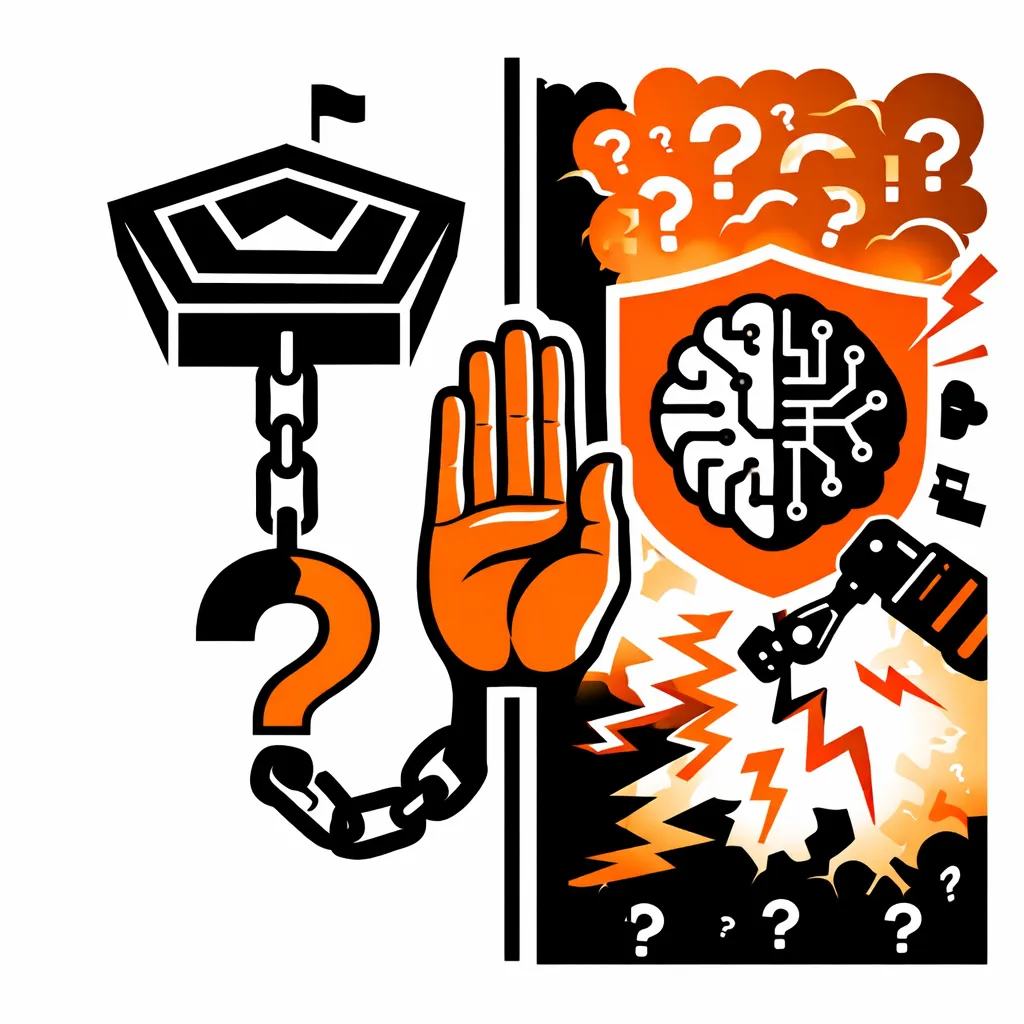
Anthropic Just Got Blacklisted by the Pentagon. Here's Why AI Agencies Should Pay Attention.
A Company Said No to the Pentagon. Then Things Got Weird.
Last week, the Department of Defense labeled Anthropic, the company behind Claude, a "supply-chain risk." That designation is typically reserved for foreign adversaries. Not San Francisco AI startups.
The reason? Anthropic refused to let the DOD use its technology for mass surveillance of Americans or for autonomously firing weapons. Pretty reasonable line to draw, if you ask me.
What happened next is where it gets interesting. Within moments of blacklisting Anthropic, the Pentagon signed a deal with OpenAI. The optics were brutal. Anthropic CEO Dario Amodei called OpenAI's approach "safety theater" and accused Sam Altman of telling "straight up lies." More than 30 employees from OpenAI and Google DeepMind, including Google's chief scientist Jeff Dean, signed a statement defending Anthropic.
This isn't just tech drama. If you run an AI agency or you're building products on top of these platforms, this story should matter to you.
Platform Risk Is Real. Act Like It.
Most AI agencies I talk to are all-in on one provider. They've built their workflows, their client deliverables, and their internal tools on a single model. That's efficient right up until it isn't.
Anthropic didn't get blacklisted for building a bad product. They got blacklisted for having principles the government didn't like. That's a new kind of platform risk. It's not about API uptime or pricing changes. It's about geopolitics.
If you're running client work on Claude (and I am), this is a reminder to build with flexibility. Have a fallback. Know what it would take to swap providers in 48 hours. Not because Claude is going anywhere, but because the world these companies operate in is getting more unpredictable by the month.
The Bigger Picture for Agency Owners
Here's what I think most people are missing. This fight isn't really about Anthropic vs. the Pentagon. It's about what kind of AI industry we're going to have.
One path: AI companies compete on safety and responsibility, and the market rewards them for it. The other path: the companies willing to do whatever the biggest buyer wants get the contracts, and everyone else gets punished for saying no.
For agency owners and COOs, this matters because your clients will start asking about this. They'll want to know which AI you're using, what that company's policies are, and whether their data is being handled responsibly. Having a clear answer builds trust. Dodging the question doesn't.
Three Things to Do This Week
1. Audit your AI dependencies. List every tool, workflow, and client deliverable that depends on a specific AI provider. If one name shows up everywhere, that's your vulnerability.
2. Test a second provider. Run your most common workflow on a different model. GPT-5.4 and Gemini 3.1 Pro are both strong right now. Know your backup before you need it.
3. Draft your AI ethics one-pager. When a client asks "what AI do you use and why?" you want a confident, specific answer. Not a scramble.
The AI landscape is moving fast. Costs are dropping, capabilities are climbing, and new models ship every few weeks. But the political and regulatory environment around AI is moving just as fast, and that's the part most agencies aren't watching closely enough.
Pay attention to who's building these tools and what they're willing (and unwilling) to do with them. That tells you more about the future of this industry than any benchmark score.
— Mark Garza, Laimen AI

