Apple Says OpenAI Asked Job Candidates to Bring Stolen Parts to Interviews
Two years ago, Apple and OpenAI were partners. Apple built ChatGPT right into the iPhone. It was a big deal at the time, a signal that the two tech giants could play nice in the AI era.
That partnership is dead. Last week Apple filed a federal lawsuit accusing OpenAI of running a coordinated operation to steal Apple's trade secrets through its hiring process.
The allegations are specific and pretty wild.
Actual Parts in Actual Interviews
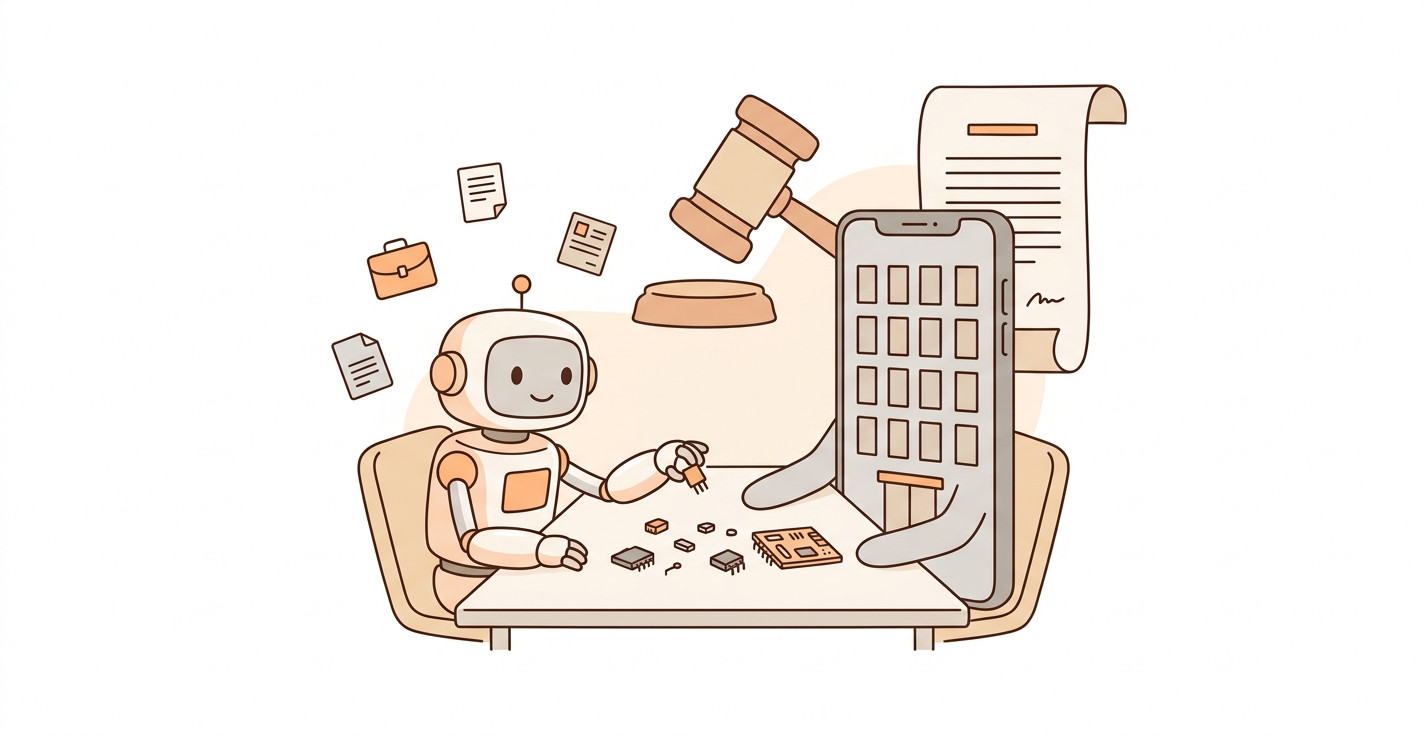
According to Apple's filing, OpenAI's Chief Hardware Officer Tang Tan, a former Apple VP who led iPhone and Apple Watch product design, directed job candidates still working at Apple to bring physical hardware components to their interviews. Apple calls them "show and tell" sessions.
Think about that for a second. Apple claims a senior OpenAI executive coached active Apple employees to smuggle parts out of the building and hand them over during job interviews. Not after they quit. While they were still on Apple's payroll.
The complaint also names Chang Liu, who spent eight years as a senior systems engineer at Apple. Apple says Liu failed to return a company laptop after leaving for OpenAI and used it to download confidential technical documents before he left.
From Partners to Courtroom
The relationship between Apple and OpenAI started falling apart when OpenAI acquired Jony Ive's hardware startup, io Products, for $6.5 billion last year. Ive is Apple's former design chief. The guy who designed the iMac, iPod, and iPhone. And now his company is helping OpenAI build competing hardware.
Apple's lawsuit names io Products as a defendant, though Ive himself isn't named personally. The filing paints a picture of OpenAI targeting Apple's silicon engineering, on-device AI, and hardware design teams. Apple says Tan used confidential project code names during recruiting calls and asked candidates about unannounced products.
Why This Matters If You Run a Business
You probably don't have trade secrets worth billions. But you almost certainly have employees with institutional knowledge that walks out the door when they leave.
Your hiring process is a liability. If you're recruiting from competitors (and you probably are), the questions your team asks during interviews matter. Asking a candidate to share proprietary information from their current employer isn't just bad form. It's a lawsuit waiting to happen. Apple's complaint specifically targets the interview process itself as the mechanism for theft.
NDAs and non-competes only work if you enforce them. Apple apparently tracked the laptop, the downloads, and the interview conversations. Most small businesses don't have that level of documentation. If you don't track what employees access before they leave, you won't know what they took.
Partnerships can become ammunition. Apple literally integrated OpenAI's product into its operating system. Now that relationship is evidence in a trade secret case. If you're partnering with companies that might eventually compete with you, think about what information flows through that partnership and put guardrails around it early.
The Timing Is Brutal
OpenAI is reportedly preparing for an IPO with Goldman Sachs and Morgan Stanley. A federal trade secret lawsuit from the world's most valuable company isn't the kind of headline you want during a roadshow. Apple knows this. The timing feels intentional.
For business owners watching the AI space, this is a reminder that the talent wars have real legal consequences. The biggest companies in tech are now using the courts to fight over people, not just products. And the precedents set here will trickle down to every industry where skilled workers move between competitors.
If you're hiring aggressively in a competitive market, now is a good time to review your interview practices, your offboarding procedures, and your IP documentation. The rules are getting clearer, and they're getting enforced.
— Mark Garza, Laimen AI

