Databricks Just Gave Every Team in Your Company an AI Coworker. No Seat Fees.
A Foot Locker executive asked their new AI tool a question about sales performance across North American stores. The AI didn't guess. It didn't summarize a PDF or hallucinate a number from training data. It pulled the answer from Foot Locker's actual internal data, governed and permissioned, in seconds.
That's the pitch behind Genie One, which Databricks unveiled on June 16 at their Data + AI Summit. It's an AI coworker built for business teams. Not engineers. Not data scientists. Marketing, finance, sales, operations. The people who need answers from company data but can't get them without filing a ticket with the analytics team.
Why Most Business AI Disappoints
You've probably tried plugging ChatGPT or Claude into your workflow and hit the same wall. The AI is smart, but it doesn't know YOUR business. It doesn't know your margin targets, your pipeline definitions, your fiscal calendar, or that "West Region" means something different in Q1 than Q4.
Ali Ghodsi, Databricks CEO, put it bluntly: "Most enterprise AI today is just guessing with false confidence."
He's right. It's a context problem. AI in business fails because the data lives in twelve different systems. Your CRM, your ERP, your Slack threads, your Google Drive, your Jira boards. Nobody wrote it all down in one place because nobody had to. Until now.
What Genie One Actually Does
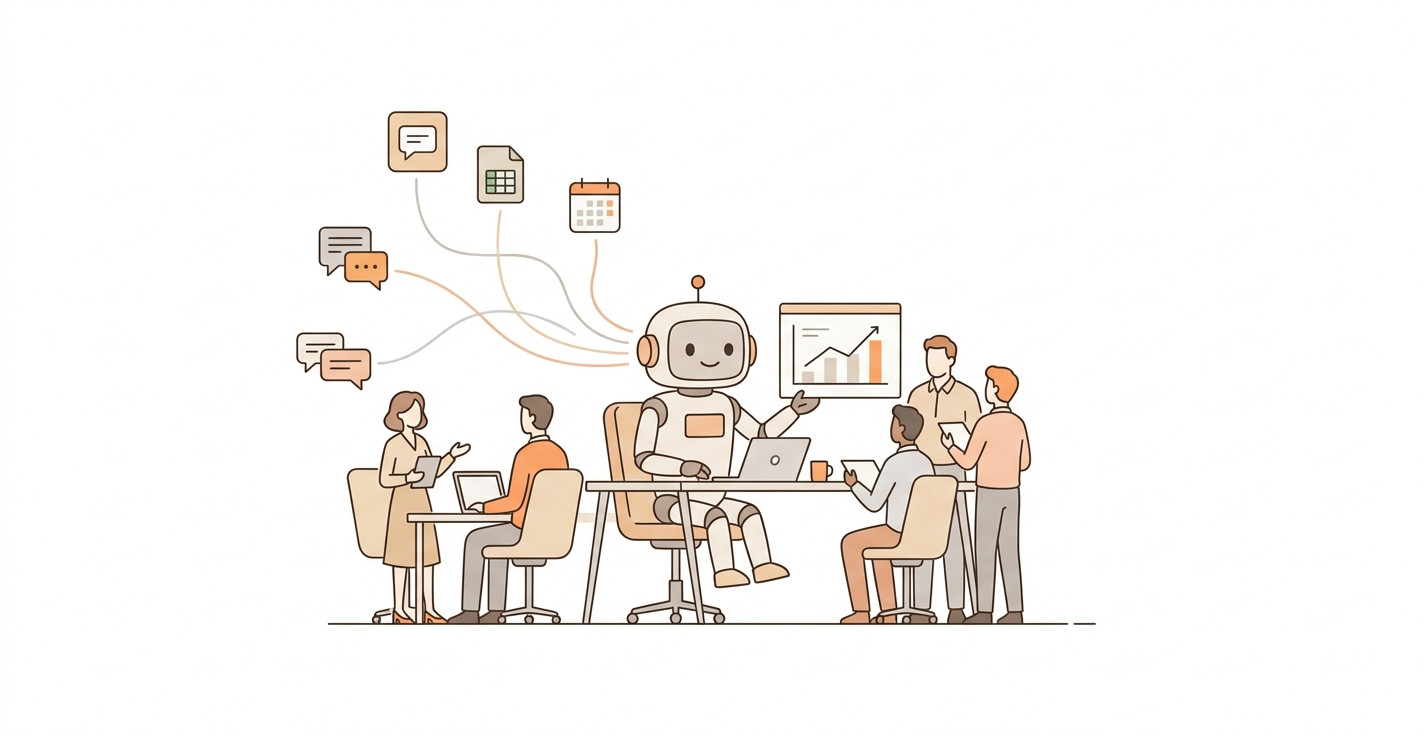
Genie One sits on top of something Databricks calls "Genie Ontology." Think of it as a constantly updating map of everything your company knows. Data, docs, tags, content, apps, conversations, and the relationships between them. It pulls from Databricks plus 50+ connected apps like Slack, Jira, Confluence, SharePoint, and Google Drive.
When a CFO asks why margins changed last quarter, Genie doesn't guess from a summary document. It runs a governed SQL query against the actual data and returns the real answer.
When a sales leader asks for upsell opportunities in the pipeline, it's pulling from live CRM data with the right access controls applied.
Databricks also launched Genie Agents and Genie App Builder alongside it. Genie Agents let you save a conversation as a reusable workflow. If your finance team runs the same reporting questions every month, they can turn that into a named agent any teammate can call on. Genie App Builder lets business teams build internal apps connected to governed data without writing code. No engineering tickets required.
The Pricing Move That Matters
Small businesses should pay attention to the pricing. Genie One has no seat-based pricing. Every user gets $10 of free AI usage per month. After that, you pay only for what you use.
That's a direct shot at the enterprise SaaS model where you pay per seat whether someone touches the tool or not. For a 50-person company, the free tier alone covers basic usage for the whole team.
Foot Locker's VP of AI called it "the engine driving self-service insights across our organization." Albertsons is using it for merchandising intelligence across their stores. These are massive retailers. But the no-seat pricing makes it accessible to companies a fraction of that size.
What This Means for You
Databricks serves 70% of the Fortune 500. When they make a product move like this, it signals where the market is heading. AI coworkers grounded in your real business data, not generic models that guess.
If you're a business owner or COO, the takeaway is simple. The AI tools that will actually save you time are the ones connected to your data. Generic chatbots are fine for brainstorming and drafting emails. But the real productivity gains come when AI can answer "Why did revenue drop 8% in the Southwest region last month?" with a real, sourced answer.
Databricks isn't the only company building this way. But they're the biggest data platform to go all-in on making it accessible to non-technical teams. And the no-seat pricing removes the biggest objection most small businesses have: "I'm not paying $30/user/month for something half my team won't use."
The AI context problem is what's holding back business adoption right now. The companies that solve it first will pull ahead fast. Databricks just made a serious bet that they can.
— Mark Garza, Laimen AI

