DHL Put 8,000 Robots in Its Warehouses. Here's What Actually Happened.
Sally Miller has been at DHL Supply Chain for two decades. She's watched the company grow from zero robots to over 8,000 deployed across its global sites. And she's refreshingly blunt about what that means.
"Does it reduce our dependency on labor? Yes, it does," Miller told Fortune this week. "If anyone says otherwise, I don't think they are being truthful."
That's not the kind of quote you usually hear from a CIO. But Miller, who leads technology across DHL Supply Chain's 2,800 sites worldwide, isn't playing the typical corporate game of "AI creates more jobs than it replaces." She's telling it straight.
The Robots Are Doing the Boring Stuff
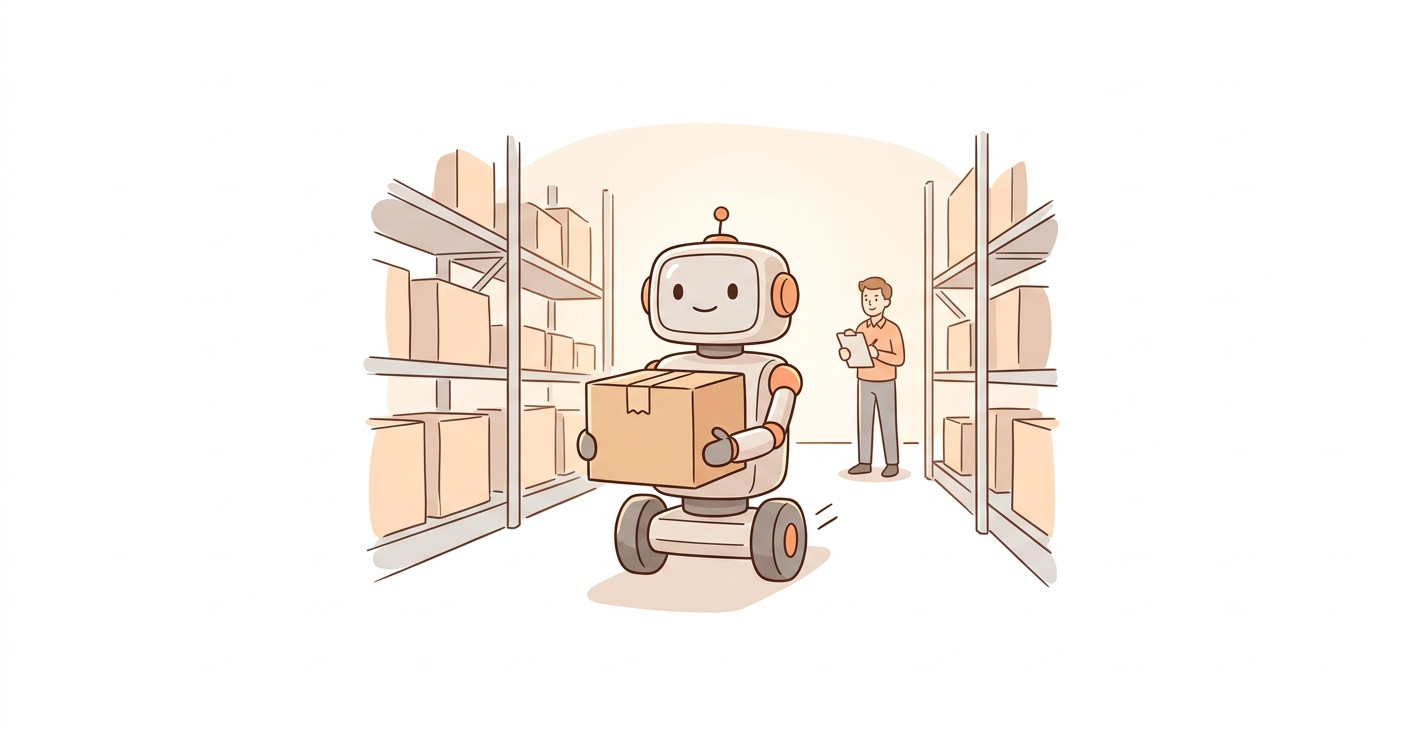
DHL isn't building humanoid robots that walk around greeting customers. The company focuses on warehouse tasks that are physically demanding and repetitive. Picking orders. Packaging items. Unloading trailers in the summer heat.
Three vendors handle most of the work: Locus Robotics, Boston Dynamics, and Robust AI. Miller keeps multiple vendors on purpose. "These are startup companies, and funding comes and goes," she says. "Not all of them are going to make it."
That's a smart supply chain move applied to the supply chain itself.
Workers Actually Like It
This part caught my attention. At DHL sites where robots are deployed, employee turnover dropped. Onboarding got faster. And workers actively prefer those locations.
Think about that for a second. The warehouses with robots are the ones people want to work at.
It makes sense when you look at what changed. Pickers used to spend most of their shift walking the floor. Now robots handle the walking. The human job shifts to supervision, data analysis, and working with vendors on improvements. The work got less physically brutal and more mentally interesting.
The Numbers Behind the Shift
U.S. manufacturing payrolls dropped from 17.2 million in 2000 to 12.7 million by late 2025. Tariff promises haven't reversed the trend. Younger workers aren't lining up for labor-intensive warehouse shifts.
DHL doesn't deploy robots to cut headcount. They deploy them first at sites where labor is most scarce. The robots fill gaps that already exist.
Investors see the opportunity too. Venture capital in robotics tripled between 2023 and 2025. Companies spent $40.7 billion on robotics systems last year.
What This Means If You Run a Business
You probably don't need 8,000 robots. But DHL's playbook has a few lessons worth stealing.
First, they started small. Their first robotics bet was back in 2017. Nine years of iteration got them here. They didn't try to automate everything overnight.
Second, they pick tasks, not departments. DHL evaluates specific manual tasks, then works with vendors to build solutions for those exact jobs. They're not tossing AI at entire workflows and hoping something sticks.
Third, they measure what matters. Not just cost savings, but turnover, onboarding speed, and worker satisfaction. If your automation makes people quit, you haven't saved anything.
Miller also pointed to new capabilities from AI built into these robots. Robust AI's Carter uses computer vision to map warehouse floors and dodge obstacles in real time. That kind of spatial awareness used to require expensive custom setups. Now it's becoming standard.
The Honest Version of the Jobs Conversation
Most executives dodge the jobs question. Miller doesn't. Yes, robots reduce headcount. But they also reduce turnover, improve safety, and make the remaining jobs better.
That's the real tradeoff. Some roles disappear. Other roles change. And the people who stay tend to be happier.
Manufacturing and logistics companies that skip automation are already falling behind. The real challenge is doing it without treating your workforce like a line item to eliminate.
DHL figured that out by starting with the tasks nobody wanted to do in the first place.
— Mark Garza, Laimen AI

