Perplexity Just Built an AI That Files Taxes. Your Back Office Is Next.
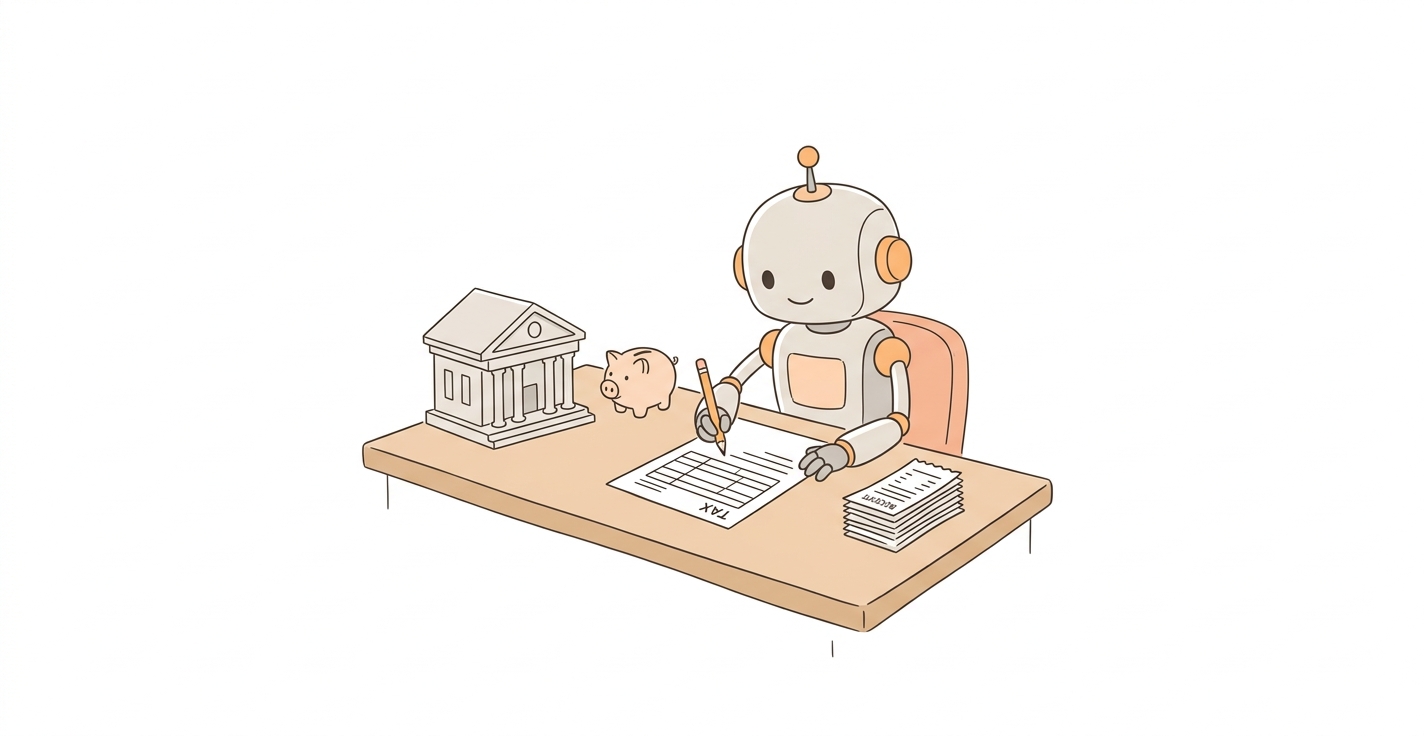
Perplexity just shipped an AI agent that drafts your federal tax return. It is called Computer for Taxes, and it sits inside the same app that most people still think of as a search box.
Then, in the same stretch, they wired Perplexity into Plaid. That is the plumbing layer behind 12,000+ U.S. banks and credit unions. Now the same AI can pull your transactions, analyze your spending, calculate your net worth, and build a debt payoff plan on request.
Revenue jumped 50% after they started shipping agents. That is the part I want you to sit with.
Why this is different
Computer for Taxes does not just remind you to file. It pulls data, fills forms, and hands you something you can sign. The Plaid hookup means the same AI can touch the money itself instead of only chatting about money in the abstract.
For five years, AI in business software has mostly meant a little sparkle icon in QuickBooks or a chat panel in Gusto. This is the opposite. This is the vendor saying, "Skip the spreadsheet, I will go get the data and do the work."
When a consumer tool can do your 1040, your bookkeeping software is not safe. Neither is your accounts payable workflow. Neither is your monthly close.
What the 50% revenue jump tells you
People open their wallets for agents. They hesitate on chatbots.
That matters because it sets the incentive for every SaaS company you already pay. Expect your bookkeeping platform, your CRM, your HRIS, and your legal tools to start pushing agents into the core workflow, not just the marketing copy. Some will be good. Most will be half-baked for the first six months.
This is the exact window where small and mid-sized businesses get an edge. The enterprise buyers are still writing procurement memos. You can test, break, and replace tools in a week.
What I would do this month
Three moves, in order.
1. Map your finance stack. Write down every piece of software that touches money in your business. Bank, card processor, bookkeeping, payroll, AP, tax, reporting. For each one, ask a simple question: if an agent could read from this tool and write to it, would my life be better? If the answer is no, you might be using the wrong tool.
At Flatwater Foundation, we had a stretch where we were paying for five tools that each owned a slice of the same data. An agent-ready platform would have killed three of them.
2. Turn on read-only connections first. Before you let anything write to your accounts, use Plaid-style read access to feed an AI agent your data. You will learn two things fast: which questions it can actually answer, and which ones it still makes up. That is your hiring interview.
3. Set a human checkpoint for anything irreversible. Filing a tax return, paying a vendor, issuing a refund, pushing payroll. Those stay human-approved for now. One bad agent run can wipe out a month of savings from the good ones, and the review cost is cheap insurance.
The honest part
Perplexity might not be the company that wins this. OpenAI, Google, or a niche vertical player could ship a better agent next quarter. That is fine. The point is that the shape of the tool has changed, and the ones still shipping chat-only features are about to look dated.
If you run a small business, this is your cheap window. Pilot something. Break it. Write down what worked. The teams that do that this spring will be the ones still running their own P&L in 2027 instead of renting someone else's dashboard.
— Mark Garza, Laimen AI

